


Painting might seem like a straightforward task—choose a paint color, grab a brush, and get to work. But when it comes to choosing the right type of paint, things get a little more complicated.
The difference between exterior paint and interior paint is about durability, formulation, and how they stand up to different environments.
Understanding these distinctions ensures your paint job lasts and looks great for years to come.
Let’s get started.
Formulation: The Science Behind the Paint
At first glance, exterior and interior paints may look the same, but they’re formulated for completely different conditions.
The key components in any paint—pigments, binders, and solvents—work together to create a durable finish, but they do so in unique ways depending on where the paint is used.
Exterior Paint: Built for Battle
Exterior paint has one main job: survival. It has to withstand everything Mother Nature throws at it—sun, rain, snow, wind, and even pollution. To achieve this level of durability, exterior paints contain:
- Resins that expand and contract – Buildings shift with temperature changes. Without flexible resins, exterior paint would crack or peel.
- Stronger pigments – Sun exposure can cause colors to fade. Exterior paints use fade-resistant pigments that hold up against UV rays.
- Mildew and mold inhibitors – Since exterior surfaces are exposed to moisture, these additives help prevent mold growth.
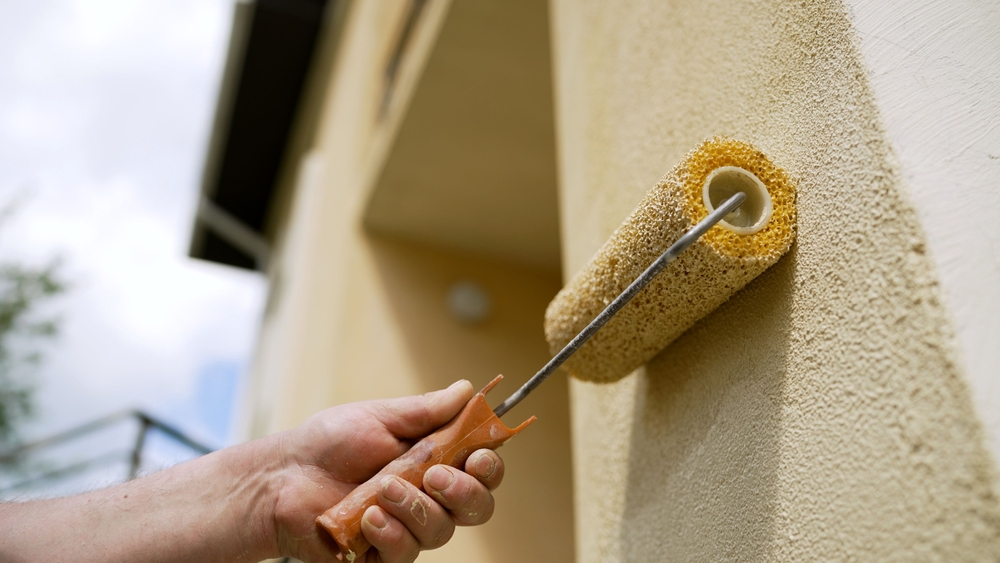
This durability comes at a cost, though. Exterior paints have a higher concentration of volatile organic compounds (VOCs), which release fumes as the paint dries.
That’s why they’re not ideal for indoor use - they can be harmful to breathe in enclosed spaces, which is why only licensed residential exterior painters should handle the job. They know how to set everything up properly and ensure a safe working environment.
Interior Paint: Made for Comfort and Style
Interior paint is all about aesthetics and indoor air quality. Since walls inside a home don’t have to endure harsh weather, the focus is on:
- Smooth application and washability – Interior paints are designed for easy cleaning and touch-ups.
- Lower VOC levels – Many interior paints are now formulated with low or zero VOCs to improve indoor air quality.
- More rigid resins – Unlike exterior paint, interior paint doesn’t need to expand and contract, so the resins provide a smoother, more durable finish for everyday wear and tear.
This formulation allows your interior painter to achieve a smooth, long-lasting finish on walls, ceilings, and trim, but not for outdoor use. If exposed to harsh conditions, it will fade, crack, and deteriorate quickly.
Durability and Resistance: What Each Paint Can Handle
Durability means something different when you’re talking about interior versus exterior paint.
- Exterior paint battles the elements – It faces rain, humidity, temperature swings, and even physical damage from wind-blown debris. The resins and additives in exterior paint allow it to last for years in these conditions.
- Interior paint withstands scrubbing and stains – While it doesn’t deal with extreme weather, it does have to handle daily life—fingerprints, spills, and scuff marks. High-quality interior paints are designed to be scrubbed clean without losing their finish.
If you tried switching them—using exterior paint inside or interior paint outside—you’d run into some serious problems.
Interior paint wouldn’t survive a single winter, while exterior paint indoors would release harmful fumes and might not adhere properly to surfaces.
Application Differences: What You Need to Know Before Painting
Because of their unique formulations, exterior and interior paints behave differently during application.
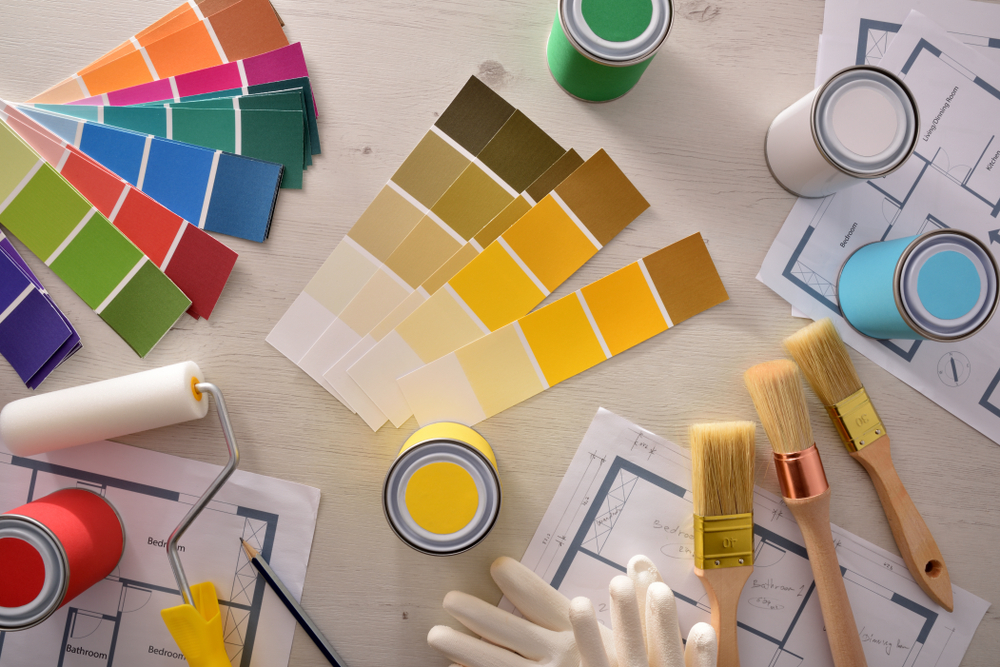
- Drying time – Exterior paint takes longer to dry because it contains extra additives for durability. It’s also affected by humidity and temperature. Interior paint, on the other hand, dries faster in controlled indoor conditions.
- Finish options – Interior paint comes in a wider variety of finishes, from matte to high-gloss. Exterior paint is usually limited to flat, satin, or semi-gloss finishes that can withstand the elements.
- Adhesion – Exterior paint needs to bond to rougher, more porous surfaces like stucco, brick, and wood, while interior paint is formulated for smooth walls.
Can You Swap Interior and Exterior Paint?
A common question homeowners ask is, “Can I use exterior paint inside or vice versa?” The short answer is no, and here’s why.
- Exterior paint indoors – The fumes from exterior paint are much stronger than those from interior paint. Even after drying, it can continue releasing VOCs for weeks. Plus, exterior paints aren’t formulated to be scrubbed or cleaned the way interior paints are.
- Interior paint outdoors – It may look fine initially, but within months, interior paint will start to peel, fade, or crack because it lacks the necessary weatherproofing additives.
If you want a long-lasting and professional-looking result, always choose the right type of paint for the job.
Choosing the Right Paint for Your Project
Now that we’re familiar with the main differences between exterior and interior paint, how can you be sure you’re choosing the right one for your needs? Here are a few quick guidelines:
- If you’re painting exterior walls, fences, or outdoor trim – Always use high-quality, solid paint solutions for fence painting and weather-resistant products for exterior walls.
- For interior walls, ceilings, and trim – Choose an interior paint with the right finish (matte, eggshell, satin, or semi-gloss) based on the look and durability you need.
- For high-moisture areas like bathrooms and kitchens – Consider using mold-resistant products for high-humidity areas, and the right combination of paint and primer for kitchen cabinet painting.
- For furniture or specialty projects – Some paints work for both indoor and outdoor use, but always check the label.
Understanding the difference between exterior and interior paint ensures that your paint job looks great and lasts as long as possible.
Using the wrong type of paint can lead to peeling, cracking, or fading—problems that no homeowner wants to deal with.
Get the Perfect Finish with Professional Help
Choosing between exterior and interior paint is just one part of the equation—applying it correctly is another challenge entirely.
If you want a flawless finish that lasts, MG House Painting can help.
Serving Falls River, Halifax, Dartmouth, Bedford, and the surrounding areas in Nova Scotia, our experienced residential painters offer high-quality painting services designed to deliver professional results that stand the test of time.
Whether it’s an interior refresh or an exterior makeover, quality painting makes all the difference.
Contact us today for top-notch residential painting services with minimal disruption!